
Network Updates
A Message from ASAP’s 2025-2026 Board President John Phillips
Dear Fellow Climate Adaptation Professionals, This letter is to introduce the ASAP Board of Directors. I am deeply honored to be the President of the Board and wish to express my gratitude to the Board election transition committee, our past board members, and the new board members who have volunteered to lead ASAP through this…
Read MoreA Year of Impact: Reflections on ASAP’s 2024 Projects and Programs
As we draw near the end of 2024, it’s a perfect opportunity to celebrate the remarkable accomplishments and milestones of the past year. At ASAP, we’ve had the privilege of collaborating with diverse partners, fostering growth, and making significant strides in climate adaptation and resilience. None of this would have been possible without the invaluable…
Read MoreA Message From ASAP’s Executive Director – Strengthening Climate Adaptation Amid Uncertainty
Dear ASAP, Over the past few weeks, we have all been trying to process how the new administration will impact the futures of our families, livelihoods and communities. Non-profit societies like ASAP are formed and informed by their members, individuals and collectives, who see the importance of advocating shared work and responsibility through relationships. In…
Read MoreASAP to Support the National Environmental Justice Thriving Communities Technical Assistance Center
The American Society of Adaptation Professionals will collaborate with the Institute for Sustainable Communities (ISC) and Atma Connect to engage with one of three national Environmental Justice Thriving Communities Technical Assistance Centers (EJ TCTACs) developed by the U.S. Environmental Protection Agency (EPA) and the Department of Energy. The goal of the TCTAC program is to…
Read MoreIntroducing Maya Buchanan, ASAP’s New Board President
To start the year, we are excited to share recent changes to ASAP’s Board of Directors! Effective this January 2024, Maya Buchanan became the newly elected President of ASAP’s Board of Directors. Join us in celebrating the hope and opportunity that a wave of new leadership brings. 2023 represented a significant transition year for ASAP,…
Read MoreNew Community of Practice for Coastal Inundation
The American Society of Adaptation Professionals has partnered with NOAA’s Office for Coastal Management (“OCM”) and the National Sea Grant Office (“NSGO”) to bring together the people and ideas needed to build resilience to coastal inundation. As climate change impacts worsen, so does coastal inundation (i.e., water on normally dry ground as a result of…
Read MoreClimate-Resilient Water Infrastructure in the Great Lakes
ASAP is Excited to Support Delta Institute as an EPA Region 5 Environmental Finance Center (EFC) for Water Infrastructure We are excited to announce that ASAP Is teaming up with Delta Institute as a partner in an Environmental Finance Center (EFC) for EPA’s Region 5 alongside the Center for Neighborhood Technology (CNT) and Current Water…
Read MoreHighlights from the Midwest Climate Resilience Conference
ASAP’s Training Specialist Mia Dozier traveled to the Midwest Climate Resilience Conference in Duluth, Minnesota, held October 25-27, 2023. Dive into highlights of Mia’s experience at the conference, including a special equitable community engagement training, recruitment for water infrastructure from the environmental finance center for EPA’s Region 5, and an update on the Ready-to-Fund Resilience…
Read MoreClimate Change Adaptation as Means for Economic Development: Strategies for Building Rural Climate Resilience and Workforce Capacity
Join us on Tuesday, September 19, from 12-3:30 PM ET to explore strategies for building climate resilience and economic opportunity in rural communities. Don’t miss this free virtual event. The American Society of Adaptation Professionals (“ASAP”) is planning a national AmeriCorps program to address climate impacts and workforce needs in rural communities. We seek to…
Read MoreThe American Society of Adaptation Professionals Joins the NAF Team
The American Society of Adaptation Professionals and EcoAdapt are joining forces to bring you the National Adaptation Forum! The American Society of Adaptation Professionals and EcoAdapt are joining forces to bring you the 2024 National Adaptation Forum! Since 2013, EcoAdapt has been responsible for the planning and execution of the Forum, along with the help…
Read MoreASAP and USDA Forest Service Partner to Address Gaps in Workforce Climate Literacy
In 2018, ASAP Members began a series of discussions on professional education needs for the climate change adaptation community. It quickly became clear that the group’s most valuable output would be a knowledge and competencies framework for our field. After several months, the resulting working group ultimately created ASAP’s Knowledge and Competencies Framework for Climate…
Read MoreThe American Society of Adaptation Professionals Names New Executive Director
YPSILANTI, Mi. (April 27, 2023)—The American Society of Adaptation Professionals (“ASAP”) is pleased to announce the appointment of Dr. Debra M. Butler as Executive Director, beginning April 24, 2023. Debra M. Butler is a native of the U.S. Gulf Coast, growing up in Mobile, Alabama. Dr. Butler will bring her transdisciplinary leadership, knowledge, and experience…
Read MoreASAP Welcomes the American Family Insurance Institute for Corporate and Social Impact as JEDI Fund Partner
ASAP is thrilled to announce that the American Family Insurance Institute for Corporate and Social Impact (AmFam Institute) is providing the ASAP JEDI Fund with a $10,000 sponsorship to catalyze the Fund’s third year. This generous gift provides financial stability for the Fund, enabling us to grow its impact as we pursue a more just,…
Read MoreWelcome Dr. Debra Butler as ASAP’s New Executive Director
Dear ASAP Network, We are pleased to announce the appointment of Dr. Debra M. Butler as ASAP’s next Executive Director! Dr. Butler joined ASAP as a member in 2017 and worked part-time for ASAP in 2019 while completing her Ph.D. dissertation in Environmental Studies from the University of Massachusetts-Boston. As a survivor of Hurricane Katrina…
Read MoreASAP Receives National AmeriCorps Planning Grant
ASAP has received a year-long grant of $150,000 from AmeriCorps, the federal agency for national service and volunteerism, to plan a national service program to catalyze adaptation work in rural communities. Rural communities have some of the lowest capacities in the United States to adapt to worsening climate impacts. ASAP’s AmeriCorps program concept seeks to…
Read MoreCheck Out Cohort Profiles for the 2023 Mentorship Program
Mentor and Mentee Profiles are now live for the 2023 Mentorship Program! Below you will find details and information on the participants this year: Mentors Brian Ambrette: Brian Ambrette is the Senior Climate Resilience Coordinator with the Governor’s Office of Policy Innovation and the Future in Maine. Brian supports the implementation of Maine’s four-year climate…
Read MoreA Message from ASAP’s Incoming Board President Julia Kim
Dear ASAP Members and Partners, Happy New Year! I hope your 2023 is off to a great start after a restorative winter break. I am honored to serve as ASAP’s Board President this year and want to first express my deepest gratitude to ASAP’s staff and board for their ongoing leadership and commitment to supporting…
Read MoreExplore ASAP’s Peer Learning Groups in 2023
Last week ASAP announced this year’s Peer Learning Groups! Keep reading to explore the groups and sign up to receive vital monthly updates and calendar invites. If you have questions or need help finding the right group for you, join one of our ASAP 101 Orientation sessions or connect with ASAP’s Program Manager, Breana Nehls.…
Read MoreASAP Joins Technical Assistance Team for NCRF Grantees
ASAP is thrilled to join the Field Liaison Team for the National Fish and Wildlife Foundation’s National Coastal Resilience Fund (NCRF). Throwe Environmental, LLC leads the Team, which also includes Native American Fish and Wildlife Society (NAFWS). As Field Liaisons, Throwe, ASAP, and NAFW will support NCRF applicants across the U.S. throughout 2023. The Team…
Read MoreA Giving Tuesday Message From Beth Gibbons
At ASAP our core values are trust, reciprocity, member leadership, and something for everyone (but not everything for everyone). But what is trust? Trust is a gift given between people or institutions. It extends beyond common interests and shared goals to being mutually vulnerable to one another. Trust is a deep and powerful bond. It…
Read MoreSeptember 2022 Peer Learning Round-Up
Peer Learning is at the heart of the ASAP Network! Welcome to the monthly Peer Learning Round-Up! Let’s recap the last opportunities for peer learning at ASAP: Policy Practice Group Our September Policy Practice Group meeting hosted a peer learning session on our third policy priority, “Require all physical and social infrastructure decisions to consider…
Read MoreThe JEDI Fund Has Turned One!
ASAP’s Justice, Equity, Diversity and Inclusion Fund has turned one! The fund which was seeded by a contribution from ASAP staff members in 2021, has been a success in providing funding to several individuals identifying as Black People, Indigenous people, and people of color and also individuals demonstrating financial need. Following a review of the…
Read MoreASAP and HARC Launch Program Committed to Growing Community Leadership in Climate Adaptation Projects
Houston Advanced Research Center (HARC), in partnership with the American Society for Adaptation Professionals (ASAP), has announced a new program to enhance climate adaptation in the Upper Texas Gulf Coast. Leading with Equity in Adaptation Practice (LEAP) aims to strengthen community-led climate change adaptation initiatives through partnerships, collaboration, and capacity-building. Alongside partners, ASAP and HARC…
Read MoreHow You Strengthened the ASAP Nework in 2021
As a social impact network, ASAP relies on our members as leaders, partners, and collaborators in everything we do. Your participation in the member survey cultivates and affirms the essential elements of network culture that we strive to nurture –reciprocity, open access, something for every member, and, most importantly, trust– while also helping us shape ASAP’s…
Read MoreASAP and CRC Launch Ready-to-Fund Resilience Toolkit

The Ready-to-Fund Resilience Toolkit is Here! Are you struggling to attract investment for your climate resilience projects? Do you want to use innovative finance tools but worry they may carry extra risks or costs? Are you looking to learn how and why to center social equity in your climate resilience projects? As climate impacts intensify…
Read MoreJoin ASAP at the 5th National Climate Assessment Engagement Meetings
The 5th National Climate Assessment Chapters Engagement Meetings are now scheduled and open to the public! Public engagement sessions will take place between January and February 2022. All ASAP members are encouraged to attend at least one NCA Chapter Meeting to provide their input and expertise on this important national resource. Space is limited at…
Read MoreThe Color of ASAP: Race & Ethnicity in our Network
ASAP is an anti-racist organization. That means we are finding and rooting out racism in our network and the adaptation field. And it means we are prioritizing accessibility and inclusion in ASAP for people who identify as Black, Indigenous, or other person of color (BIPOC). We are asking for your support by completing a short…
Read MoreJEDI and MLK Day 2022
At ASAP, Martin Luther King, Jr. Day is a time for us to put more than just words behind our racial justice goals: it is a day to ACT. MLK’s Dream remains a powerful vision of the just and equitable world we want to live in. Take action with us to build that world. We…
Read MoreNCA5 Adaptation Chapter Public Engagement Workshop
February 7, 2022 | 11:00am – 3:30pm ET Please join the authors of the Fifth National Climate Assessment for a virtual workshop to share your thoughts on the climate change-related issues most important to include in the Adaptation chapter. We really need your input! The workshop is free and open to the public. The information gathered will help…
Read More2022 ASAP Member-Led Interest Groups
Get involved in ASAP Member Led Interest Groups in 2022.The votes are in and we are excited to announce the 2022 ASAP Member Led Interest Groups! Policy Practice Group Private Sector Adaptation Professionals Professional Opportunities in Adaptation Convening Climate Collaborators (webpage coming soon!) A big THANK YOU to everyone who submitted one of this year’s…
Read MoreNew Justice, Equity, Diversity, and Inclusion Fund Supports Black, Indigenous, and People of Color
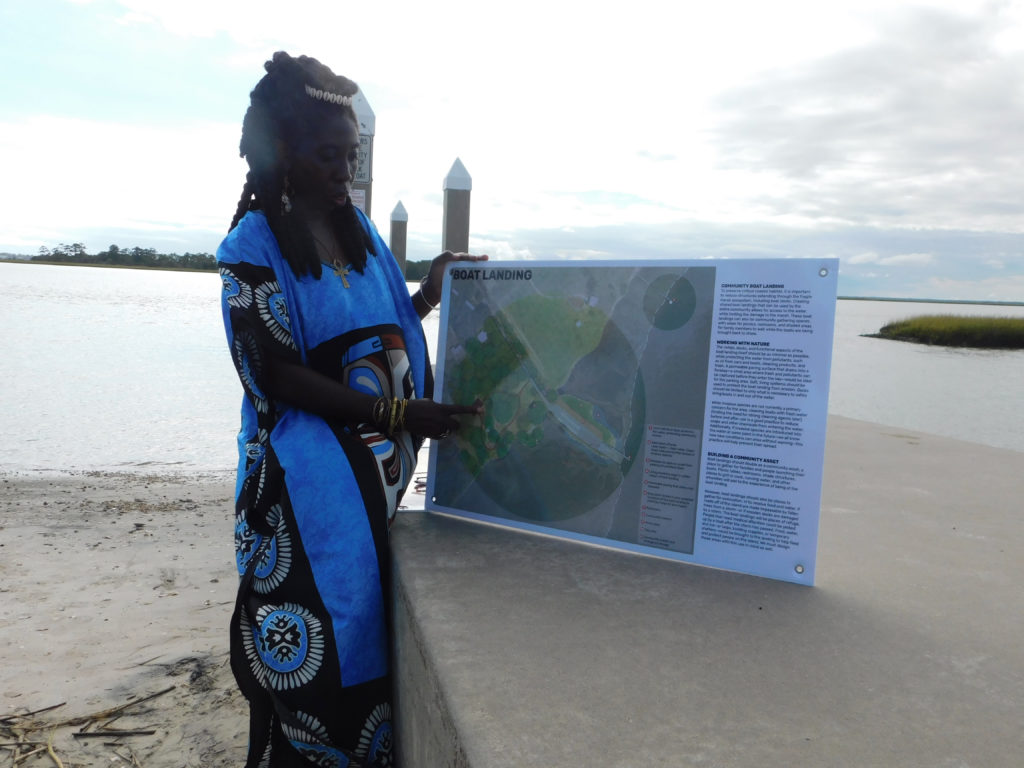
Inspired by members driven to create a tangible change, ASAP launched our Justice, Equity, Diversity, And Inclusion Fund in April 2021. The Justice, Equity, Diversity, and Inclusion (JEDI) Fund provides financial support for ASAP members to engage in professional development and capacity-building activities as well as compensate people for their time as they contribute their…
Read MoreWelcoming the 2022 Mentorship Program Team
ASAP is excited to kick off the 2022 Mentorship Program with the leadership of our amazing program team leaders. Welcome to the team, Emma, Kim and Sarah! Interested in learning more about the Mentorship Program? Email us! mentorship@adaptpros.org Emma Cutler is a system dynamics analyst with the International Institute for Sustainable Development(IISD) and is based…
Read MoreOur Commitment to Justice, Equity, Diversity, and Inclusion

We are writing this letter today to affirm life and the work that needs to happen to preserve it, especially in communities at the forefront of adaptation. Our profession is one that both cares for and celebrates the natural world and life in all of its forms; as adaptation professionals, one of our main concerns…
Read MoreUpdated Professional Guidance Resources
Updated ASAP Professional Guidance Resources better integrate justice, equity, diversity, and inclusion concepts and language Updated versions of the ASAP Code of Conduct and Professional Ethics, Living Guide to the Principles of Climate Change Adaptation, and ASAP Professional Guidance Resources Glossary are now available in the ASAP Resource Library! Key changes include: Revised language in…
Read MoreASAP Receives Climate Change Business Journal Business Achievement Award
We are honored to announce that ASAP has received the Climate Change Business Journal Business Achievement Award for Advancing Best Practices – Climate Change Adaptation & Resilience! This award recognizes ASAP’s cutting-edge work on climate migration and managed retreat (CMMR) via our CMMR Member Led Interest Group and our NY State Climate Migration Accelerator. “This award is an…
Read MoreIntroducing Emily Wasley, ASAP’s New Board President

This month we’re celebrating the hope and opportunity that a wave of new leadership brings. We couldn’t be more excited to announce that, effective February 1, Emily Wasley will become the new president of ASAP’s Board of Directors. An active ASAP member since 2012, Emily herself is hardly “new.” But her fresh ideas about how…
Read MoreASAP Advances the Private Sector Climate Services Marketplace
Between 2016 and 2020, ASAP members from for-profit companies increased from 15% to almost 30%. According to Climate Change Business Journal, climate adaptation and resilience services market growth has been in the double digits since 2018 and is forecast to continue its growth at least 12-15% per year to at least 2022. Now is a…
Read MoreAnnouncing the New York State Climate Migration Modeling Accelerator. Applications due December 14.
INTRODUCTION As communities, ecosystems, and economies are pummelled by worsening climate disasters, the world is opening its eyes to an unavoidable consequence: human migration. But researchers and practitioners are just beginning to think about where people will move to — and how to prepare so-called climate-receiving communities. We must act now to establish the foundation…
Read MoreNew Mentorship Program Co-Chairs
ASAP is excited to kick off the 2021 Mentorship Program with the leadership of our new program co-chairs. Welcome to the team, Kim and Tori! Tori Griffin started her educational career at Wayne State University in Detroit, MI studying Marketing and Communications. Her studies sparked an interest in the decision-making process, but she longed for…
Read MoreASAP to award three place-based microgrants. Applications due July 27.
INTRODUCTION The American Society of Adaptation Professionals (ASAP) connects and supports climate change adaptation and climate resilience professionals to advance innovation and excellence in the field. We believe that climate change is a real and serious danger to all sectors and systems; that adaptation and resilience build stronger, more prepared communities, ecosystems, and economies; and…
Read MoreASAP Solidarity Statement
ASAP stands in solidarity with the Black Community and all Communities of Color in the fight against police brutality, racism, and injustice in all forms. Standing in solidarity, as a predominately white organization, means that we make space for Leaders of Color to dictate the actions needed at this time, that we respect the right…
Read MoreASAP’s Response to COVID-19: Adaptive Management
Written by Beth Gibbons, ASAP’s Executive Director In early 2019 a sign appeared on the wall of ASAP’s modest office building. It reads, “We Will Figure It Out”. When it appeared we laughed at how appropriate it felt, given how many times a day our team sat down to think through a new challenge, be…
Read MoreNew ASAP Communications: Targeted, Engaging Content for the Adaptation Field
Our team at ASAP has been working hard to make member publications and the ASAP newsletter more impactful for the adaptation field by curating and disseminating content in a way that is more accessible to readers. In 2013, ASAP began producing a bi-weekly newsletter, a cornerstone of our work. The original newsletter shared everything from…
Read MoreWhat can I do? Personal and household behaviors that can support adaptation

Though it’s finally starting to cool down, this summer was the hottest on record in the Northern Hemisphere. In both July and August, large parts of the United States experienced heat waves that brought temperatures near and above 100 degrees F for days on end. If you live in these areas, you may have gotten notices like this one from DTE…
Read MorePiloting Adaptation & Resilience Programs in the Great Lakes Region
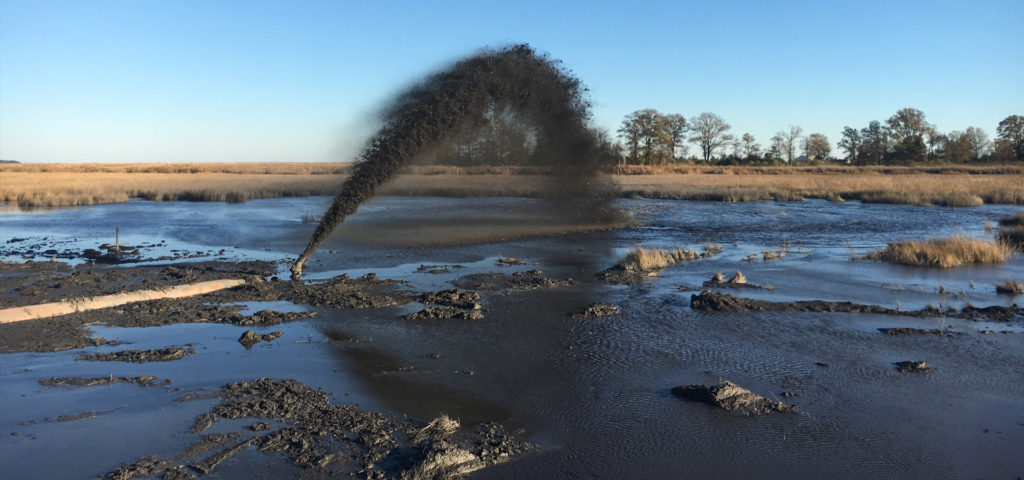
The Great Lakes Integrated Sciences and Assessments (GLISA), a NOAA RISA Team, will support ASAP with two newly funded initiatives for two years. Piloting Adaptation & Resilience Programs in the Great Lakes Region Private sector service providers are entering the adaptation and resilience field at an increased rate. Through integration into the boundary chain model, private sector businesses…
Read MoreRegional Resilience Toolkit: 5 Steps to Build Large Scale Resilience to Natural Disasters
Developed by EPA and FEMA in partnership with the Metropolitan Transportation Commission and Association of Bay Area Governments in California, this toolkit provides a stepwise process for individual communities or coalitions of communities across a region to engage in partnership-building, planning, and other activities to build regional resilience. The goal of the toolkit is to…
Read MoreKiller Heat in the United States
The Union of Concerned Scientists (UCS) has evaluated how climate change will contribute to increasing incidence of dangerous high heat days across the U. S. This includes an analysis of the growing number of high heat days across various regions of the country, described under three climate change scenarios. The report also details the public health consequences of extreme…
Read MorePlaybook 1.0: How Cities Are Paying for Climate Resilience
From the Innovation Network for Communities, this report discusses eight strategies city governments have used to finance climate resilience projects. These strategies were found common to eight different U.S. cities blazing the trail to fund large-scale climate resilience, especially addressing sea level rise and flooding. Other cities can use this information to adopt and build…
Read MoreMiami, Florida Resilient 305 Strategy
This climate resilience plan was created collaboratively by Greater Miami and the Beaches (GM&B) – a unique partnership between Miami-Dade County, the City of Miami, and the City of Miami Beach. The unified adaptation strategy integrates climate change planning and preparedness for the low-lying coastal communities in southeast Florida (which share area code 305). The Resilient305…
Read MoreState of Montana Executive Order 8-2019: Creating the Montana Climate Solutions Council and Joining the State of Montana to the U.S. Climate Alliance
On July 1, 2019, Montana Governor Steve Bullock signed Executive Order 8-2019, establishing the Montana Climate Solutions Council and committing the state to the U. S. Climate Alliance. The Executive Order directs the Council to work with state agencies to incorporate climate adaptation and resilience strategies into state plans and operations, and to put forth recommendations…
Read MoreAn Act to Promote Clean Energy Jobs and to Establish the Maine Climate Council
In June 2019, Maine Governor Janet Mills signed into law “An Act to Promote Clean Energy Jobs and to Establish the Maine Climate Council. ” The act states that the impacts of climate change have created an “emergency within the meaning of the Constitution of Maine” and find that the law is “immediately necessary for…
Read MoreAn Equitable Water Future: Louisville, Kentucky
An Equitable Water Future: Louisville focuses on building equity in the infrastructure workforce, primarily the water sector, in Louisville, Kentucky. Local factors that influence water equity are described, including concentrated vulnerable communities that are disproportionality experiencing aging infrastructure, flooding and climate impacts, and barriers to participating in the local infrastructure workforce. The report outlines recommendations to address these…
Read MoreNorfolk Special Service District Policy for Flood Protection
In June 2019, the Norfolk City Council adopted a policy authorizing the creation of Special Service Districts (SSD) to support implementation of local flood risk reduction and water quality improvement projects in the City of Norfolk, Virginia. SSDs enable a group of residents to agree to pay a tax to finance additional services in a…
Read MoreReview Announcement: Knowledge and Competencies Framework for Climate Change Adaptation and Resilience Professionals
The ASAP Member Advisory Group on Professional Education is pleased to request your feedback on a Draft Knowledge and Competencies Framework for Climate Change Adaptation and Resilience Professionals. Please review the framework carefully and navigate to this form to submit your feedback. Deadline to submit feedback is June 30 at 11:59PM Pacific Time. Please email…
Read MoreClean Air Centers in Seattle, Washington
The City of Seattle, Washington is establishing five new facilities that will provide clean air for its most at-risk residents during hazardous conditions brought on by wildfires. As the climate warms, Seattle is experiencing a major uptick in the number of wildfires, and consequently more days with unhealthy air quality from particulate matter. This issue…
Read MoreClimate Adaptation Investment and the Community Reinvestment Act
This report was conducted by the Federal Reserve Bank of San Francisco and Harvard University to explore the connection between climate adaptation and resilience and the Community Reinvestment Act (CRA), which encourages banks to invest in and address the credit needs of low- and moderate-income areas and underserved rural areas. The CRA was enacted in…
Read More2018 State of U.S. High Tide Flooding with a 2019 Outlook
NOAA’s fifth annual update of the State of Coastal High Tide Flooding (HTF) provides HTF projections to inform adaptation and decision-making for the following year, and over the longer term. High tide flooding (aka ‘sunny day’ or ‘nuisance’ flooding) occurs when water levels measured at NOAA tide gauges exceed heights based on the minor-flood thresholds…
Read MoreOla Oahu Resilience Strategy
The O‘ahu Resilience Strategy, developed by the City and County of Honolulu, Hawaii is focused on adapting to shocks and stresses on the island – primarily increased cost of living and climate change impacts in Honolulu. The Strategy offers 44 Actions across four focal areas or Resilience “Pillars” of Long-term Affordability (local economy), Disaster Preparedness,…
Read MoreMaine Act to Help Municipalities Prepare for Sea Level Rise (LD 563)
Maine Governor Janet Mills signed into law LD 563, “An Act to Help Municipalities Prepare for Sea Level Rise” in May 2019. The law amends the State’s growth management and local land-use planning requirements (at Title 30-A, Chapter 187 of the Maine Code) to address the effects of sea-level rise. It allows coastal municipalities and…
Read MoreAnchorage, Alaska Climate Action Plan
Anchorage, Alaska’s Climate Action Plan offers both climate change mitigation and adaptation strategies that support a vision for resilience and 80% less greenhouse gas emissions by 2050. Climate adaptation planning is focused on emergency preparedness, watershed, urban forest and public health measures. Social equity and inclusion of indigenous communities impacts and needs are also prioritized, with…
Read MoreSoutheast Sustainable Communities Fund
The Southeast Sustainable Communities Fund (SSCF) supports local communities in the southeastern United States to advance climate adaptation and social equity in local government policy, plans or programs. Grants have been awarded to City and County governments and local partnerships to create socially equitable sustainable energy and/or water initiatives. The fund invested $1. 5 million in 2017…
Read MoreMaycroft Apartments “Resiliency Room” in Affordable Housing Complex in Washington, DC
A non-profit affordable housing developer, Jubilee Housing, is working to incorporate a “resiliency room” and increase affordable housing by renovating the historic Maycroft Apartments in the Columbia Heights neighborhood of Washington, D. C. – an area of the District that has been experiencing rapid gentrification. The project will provide affordable housing and will renovate the…
Read MoreStrong, Prosperous, And Resilient Communities Challenge – SPARCC
The Strong, Prosperous, And Resilient Communities Challenge (SPARCC) is an initiative of Enterprise Community Partners, the Federal Reserve Bank of San Francisco, the Low Income Investment Fund, and the Natural Resources Defense Council that supports equitable and resilient regional development policies and investments. SPARCC supports innovative, local efforts in six major cities throughout the country…
Read MoreA Guide to Climate-Smart Meadow Restoration in the Sierra Nevada and Southern Cascades
This handbook was designed to support climate-smart meadow restoration projects in the mountain meadows of northern California. The report offers guidance on incorporating climate change impacts into a meadow vulnerability assessment, and adaptive measures into restoration planning and design. The report describes how to conduct a vulnerability assessment, and how to apply Point Blue’s climate-smart…
Read MoreNAACP’s Our Communities, Out Power: Advancing Resistance and Resilience in Climate Change Adaptation – Action Toolkit
From the National Association for the Advancement of Colored People (NAACP), this comprehensive Toolkit provides a series of modules to help NAACP chapters and other advocates mediate climate adaptation planning processes and ensure that adaptation plans and policies meet local needs, with a focus on frontline communities, environmental and climate justice, and equity. The Toolkit provides…
Read MoreManaging Risks to Conservation Investments Through Climate Adaptation
The Wildlife Conservation Society partnered with the Climate Resilience Fund to offer this guidance for investors funding conservation projects – such as private foundations, public agencies and local governments – on how to consider climate change risks inherent in their investments. Climate change is causing dramatic and unpredictable effects on ecosystems and natural resources – creating uncertainties for…
Read MoreSustainable DC 2.0
The District of Columbia (Washington, D. C. ) released its Sustainable DC 2. 0 plan on April 23, 2019, updating its 2013 plan. The 2. 0 plan reports on the District’s progress in meeting its sustainability goals: reporting that 27% of the 2013 plan’s actions have been completed and 71% are in progress. New sustainability actions…
Read MoreWelcome our new ASAP Board of Directors!
The American Society of Adaptation Professional is thrilled to announce the appointment of two new directors to our Board of Directors. These two new directors, Emily Wasley and Julia Kim, will join seven seated Board Members for an initial three year term of 2019 through 2022. Emily and Julia join the ASAP Board at an…
Read MoreBIA Tribal Resilience Program
The Department of the Interior’s (DOI) Bureau of Indian Affairs (BIA) launched the Tribal Climate Resilience Partnership and Technical Assistance Program in 2014 to help tribes prepare for climate change.Direct funding supports federally-recognized Tribes and Alaska Native communities in climate resilience planning through competitive awards for climate training, adaptation planning, vulnerability assessments, supplemental monitoring, capacity building, and ocean…
Read MoreRegional Collaboratives for Climate Change – A State of the Art
Developed by the Institute for Sustainable Communities (ISC) in 2019, this report summarizes the findings of a survey of 15 Regional Climate Collaboratives (RCCs) that are supporting climate change action at the regional scale in the United States. RCCs are networks that coordinate adaptation (and sometimes mitigation) work across jurisdictional boundaries in municipal regions of the U.…
Read MoreOneNYC 2050
OneNYC 2050 is the long-term strategic plan for the City of New York, New York – which is based on values of equity, growth, sustainability, resiliency, and diversity and inclusion. Building on prior long-term plans, OneNYC 2050 seeks to raise the bar set by its predecessors, PlaNYC (2007, 2011) and OneNYC (2015), by seeking to strengthen the democratic…
Read MoreThe Value of Resilience for Distributed Energy Resources: An Overview of Current Analytical Practices
This analysis from the National Association of Regulatory Utility Commissioners (NARUC) evaluates existing practices of calculating the value of resilience in Distributed Energy Resources (DERs) installed within an energy distribution system. The report examines how the value of resilience was calculated and was applied in both regulatory decision-making and non-regulatory cost-benefit analyses, and provides state…
Read MoreReady For Tomorrow: Seven Strategies For Climate-Resilient Infrastructure
Ready for Tomorrow discusses the necessity and strategies to build resilient critical infrastructure, in preparation for future climate impacts. Recommendations for decision makers are provided to help design, fund, and build resilience into policy and public investments in Infrastructure.
Read MoreSan Francisco Bay Shoreline Adaptation Atlas
From the San Francisco Estuary Institute (SFEI) and the San Francisco Planning and Urban Research Association (SPUR), the San Francisco Bay Shoreline Adaptation Atlas offers nature-based coastal climate resilience strategies for the San Francisco Bay Area region of California. The Atlas presents a new view of the Bay area in a map divided into areas…
Read MoreMassachusetts Municipal Vulnerability Preparedness Grant Program
Massachusetts’ Municipal Vulnerability Preparedness grant program (MVP) provides support for cities and towns across the state to begin the process of planning and implementing climate change resiliency projects. The state awards communities with funding to complete vulnerability assessments and develop resiliency plans.
Read MoreMinnesota State Hazard Mitigation Plan 2019 – Including Recommended Actions for Climate Change Adaptation
Minnesota’s 2019 State All-Hazard Mitigation Plan (HMP) includes recommended actions for climate adaptation for the first time in the state’s hazard mitigation planning process. Developed in collaboration with the Interagency Climate Adaptation Team (ICAT), the HMP includes priority adaptation needs for state government from the ICAT 2017 Report – Adapting to Climate Change in Minnesota.…
Read MoreLower Manhattan, New York Climate Resilience Study
Building on the recovery and climate planning efforts in the wake of Hurricane Sandy, New York State and City funded the Lower Manhattan Climate Resilience Study to identify adaptation and resilience strategies for Lower Manhattan – which is a critical economic, cultural, and civic hub for New York City and the region. Led by the…
Read MoreTexas 2019 Coastal Resiliency Master Plan
The Texas General Land Office (GLO) updated Coastal Resiliency Master Plan provides a framework for the protection and adaptation of coastal infrastructure and natural resources across the most vulnerable regions of the Texas Gulf coast. The Resiliency Plan adopts the most current storm surge and sea level rise models to determine the implication of projected climate…
Read MoreCalifornia Coastal Commission Environmental Justice Policy
Established in 1972, the California Coastal Commission has a mandate “to protect and enhance California’s coast and ocean for current and future generations” by regulating development with local government. In 2016, AB 2616 was enacted to amend the state’s Coastal Act, giving the Commission authority to specifically consider environmental justice when making coastal permit decisions.…
Read MoreAdaptation Capability Advancement Toolkit (ADAPT-CA)
The Adaptation Capability Advancement (Adapt-CA) Toolkit was developed to support local government climate change adaptation initiatives through an agency self-assessment process on institutional capacity. Adapt-CA helps to identify opportunities to build capacity for adaptation integration into local government agency’s operations, leadership, technical capacity and engagement. The tool was designed for California communities, but is relevant and…
Read MoreClimate Risk and Real Estate Investment Decision-Making
The Urban Land Institute (and Heitman – a global real estate investment firm) have investigated how climate change impacts are affecting real estate assets and investments in the market today and the future due to increased exposure. The report describes the risks posed by climate change on real estate, how real estate investors are factoring…
Read MoreAtlanta, Georgia Environmental Impact Bond for Green Infrastructure
The City of Atlanta, Georgia Department of Watershed Management is issuing an environmental impact bond (EIB), which will finance green infrastructure to address water quality, reduce flooding and improve stormwater management in Atlanta’s Proctor Creek Watershed neighborhoods. The $14 million EIB – the first to be offered on public markets – was the result of…
Read MoreResilient Chicago: A Plan for Inclusive Growth and a Connected City
The City of Chicago, Illinois has joined the Rockefeller Foundation’s 100 Resilient Cities (100RC) program and developed an urban Resilience Strategy. Resilient Chicago outlines 50 actions within three primary “Resilience Pillars” of Strong Neighborhoods, Robust Infrastructure, and Prepared Communities. The report also provides a number of case studies on Chicago’s existing resilient programs and initiatives,…
Read MoreHealth Equity Report for the District of Columbia 2018
The Health Equity Report for the District of Columbia 2018 from DC Health takes a comprehensive look at social and structural determinants of health in Washington D.C. and presents the extent of health disparities aligning with differences in income, race, and geography. The report recognizes that climate change poses long-term risks to human health, disproportionately…
Read MoreMexico Beach, Florida – Floodplain Ordinance 712
Mexico Beach is on the Gulf of Mexico in Bay County, Florida and faces climate enhanced hurricanes, coastal storm surge, sea level rise and flooding impacts. In October 2018, Hurricane Michael, a Category 4 storm, made landfall in Mexico Beach demolishing 70% of the town’s homes. The coastal community has amended the Federal Emergency Management…
Read MoreCalifornia Heat Assessment Tool (CHAT)
The California Heat Assessment Tool (CHAT) was developed to help state and local public health officials understand how heat vulnerability will change with increasing temperatures due to climate change. The tool helps users identify heat vulnerable areas based upon changes in high heat days under different climate scenarios and social, health and environmental vulnerability factors.…
Read MoreC2ES Maximizing Benefits: Strategies for Community Resilience
Center for Climate and Energy Solutions (C2ES) developed this set of briefs on resilience strategies for extreme climate events, primarily to support local government officials in adaptation planning. Key climate resilience strategies are discussed including the co-benefits they provide, and quantitative assessments of the costs and benefits of each strategy. Each brief includes a case…
Read MoreMinneapolis 2040 – Minneapolis, Minnesota Comprehensive Plan
Minneapolis 2040 is the City of Minneapolis, Minnesota’s Comprehensive Plan – that will guide policy and decision making in the city in terms of the built, natural and economic environment for the next ten years. The document includes 14 Goals adopted by the City Council in 2017 that articulate the plan’s intent. One of the…
Read MoreNYSERDA Climate Change Adaptation Research Plan
The New York State Energy Research and Development Authority (NYSERDA) Environmental Research Program includes a focal Research Area of Climate Change Adaptation. This document focuses on the climate change adaptation component of the program’s comprehensive research plan. NYSERDA’s adaptation research aims to provide “a scientific foundation for formulating effective, equitable, energy-related environmental policies and resource…
Read MoreCity of Somerville, Massachusetts Climate Forward Plan
Somerville, Massachusetts’ climate change plan includes policies, programs, and strategies for climate change adaptation, mitigation, and social equity. 13 primary strategies or Action Areas were developed to make Somerville climate neutral by 2050, and more climate resilient in the near-and long-term.
Read MoreCA EO N-05-19 CAL FIRE to provide recommendations on wildfire prevention and mitigation, including at-risk populations
From California Governor Gavin Newsom, this Executive Order directs CAL FIRE and other state agencies to recommend administrative, regulatory, and policy changes to prevent and mitigate wildfires. To support the California communities most vulnerable to wildfire impacts, the California Department of Fire and Forest Protection (CAL FIRE) will also recommend a methodology to assess what…
Read MoreHigher Standards: Opportunities for Enhancing Flood Resilience in the Eastern Shore of Maryland
Georgetown Climate Center (GCC) prepared this report to help the Eastern Shore Climate Adaptation Partnership (ESCAP) identify strategies for adapting to increasing sea-level rise and flood risk in the Eastern Shore region of Maryland. This publication is a part of a series of reports assessing the sea-level rise vulnerability of communities in Maryland’s Eastern Shore,…
Read MoreMunich RE NatCatSERVICE Tool
Munich RE’s NatCatSERVICE online tool provides interactive access to one of the world’s most comprehensive databases for analyzing natural catastrophe losses. This archive provides direct access to updated information on insured, economic, and human losses from over 40,000 natural disasters dating back to 1980. Information obtained from this tool can be used in risk assessments…
Read MoreMainstreaming Sea Level Rise Preparedness in Local Planning and Policy on Maryland's Eastern Shore
The Eastern Shore Land Conservancy partnered with the Georgetown Climate Center (GCC), the Eastern Shore Regional GIS Cooperative, and the University of Maryland Environmental Finance Center for this analysis on sea level rise preparedness in Maryland’s Eastern Shore region. GCC offers a discussion of strategies related to floodplain, zoning and regulatory standards to support sea level rise…
Read MoreRigorously Valuing the Role of U.S. Coral Reefs in Coastal Hazard Risk Reduction
This report issued by the U. S. Geological Survey and the U. S. Department of the Interior quantifies the value of U. S. coral reefs in protecting people and infrastructure from coastal hazards that will be exacerbated by climate change and sea-level rise including extreme weather events, flooding, and erosion. The report is intended to inform…
Read MoreMaryland Resiliency Hub Grant Program
The Maryland Energy Administration (MEA) has created a $5 million Resiliency Hub Grant Program (for FY 2019) to provide funding for the construction of community resiliency hubs with solar power and battery storage. The program provides funding to microgrid developers to offset some of the costs to build a resiliency hub in high-density, low- and…
Read MoreMaine Prepares for Climate Change: 2019 Update
The 2019 update report from the Maine Interagency Climate Adaptation Work Group (MICA), a collaboration of eight state agencies, provides an inventory and status update of climate adaptation and mitigation activities by the state and is the second update to the original 2014 Maine Prepares for Climate Change report. This report was developed for the…
Read More